Photo by Vince Fedoroff
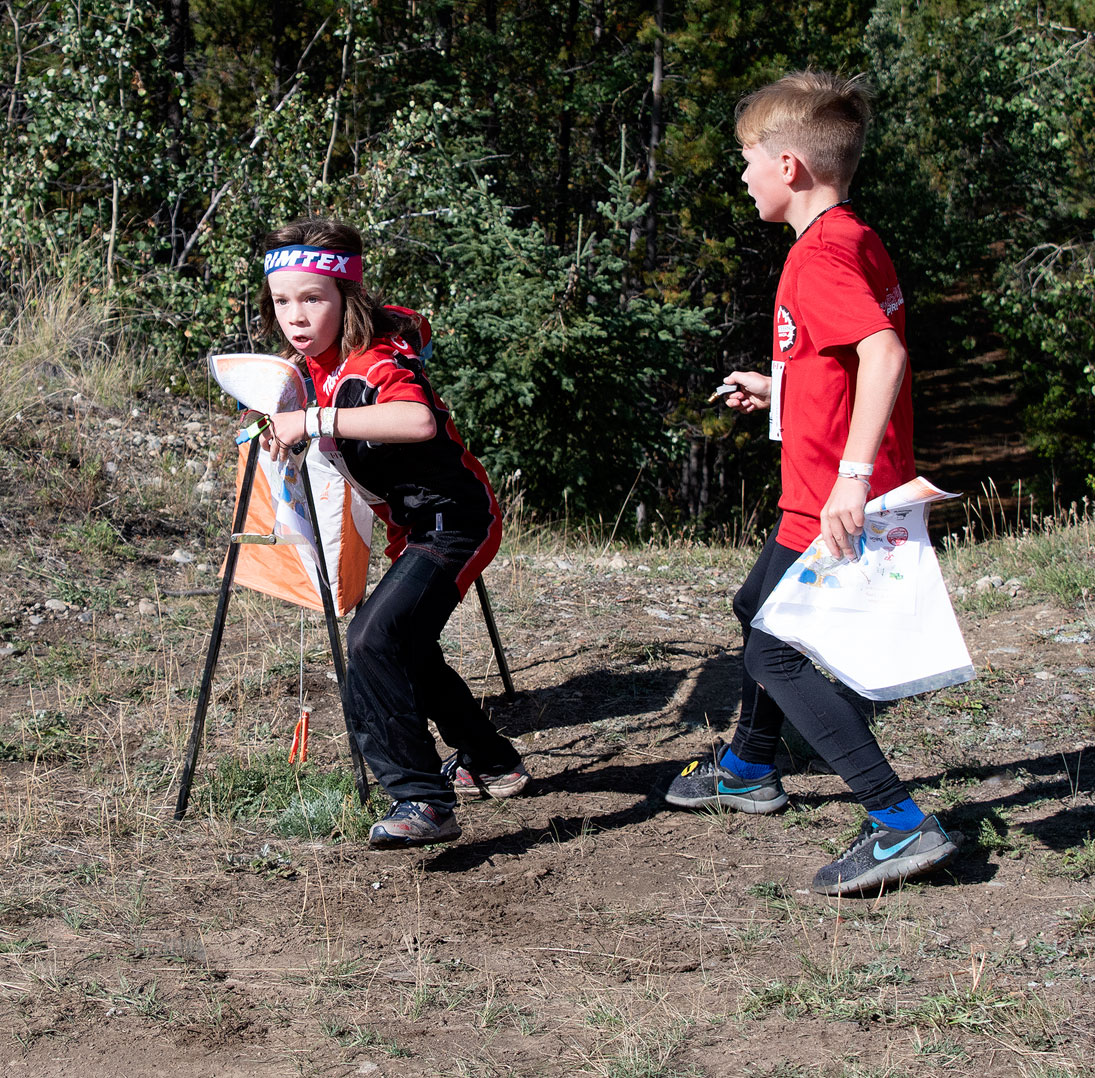
YOUTH EXUBERANCE – Stian Langbakk of Whitehorse breaks for the next control point during yesterday’s long course championship.
Photo by Vince Fedoroff
YOUTH EXUBERANCE – Stian Langbakk of Whitehorse breaks for the next control point during yesterday’s long course championship.
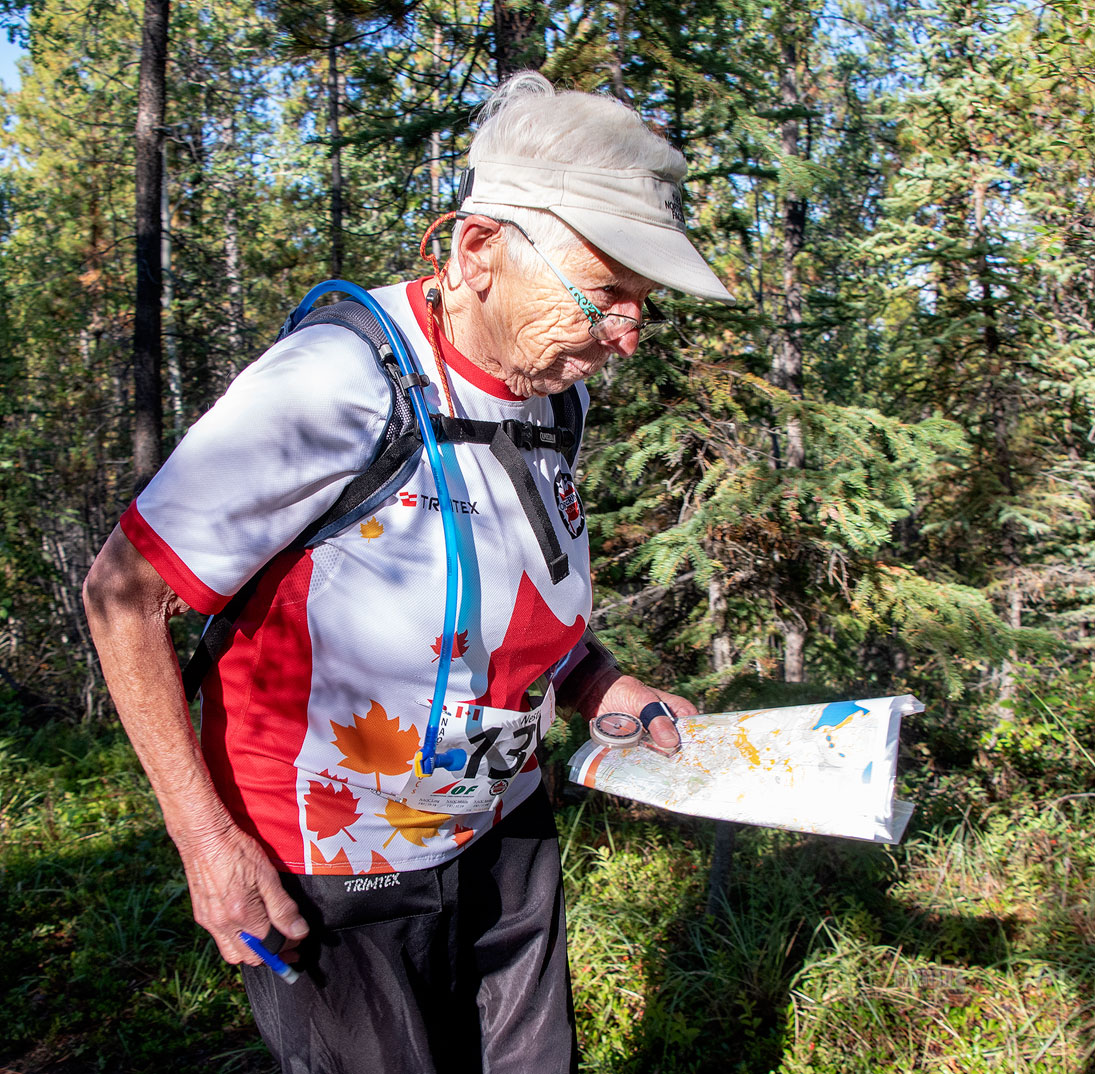
Photo by Vince Fedoroff
NAVIGATION – Whitehorse orienteerer Nesta Leduc navigates her way through the Chadburn Lake area during Thursday’s long course championship event.
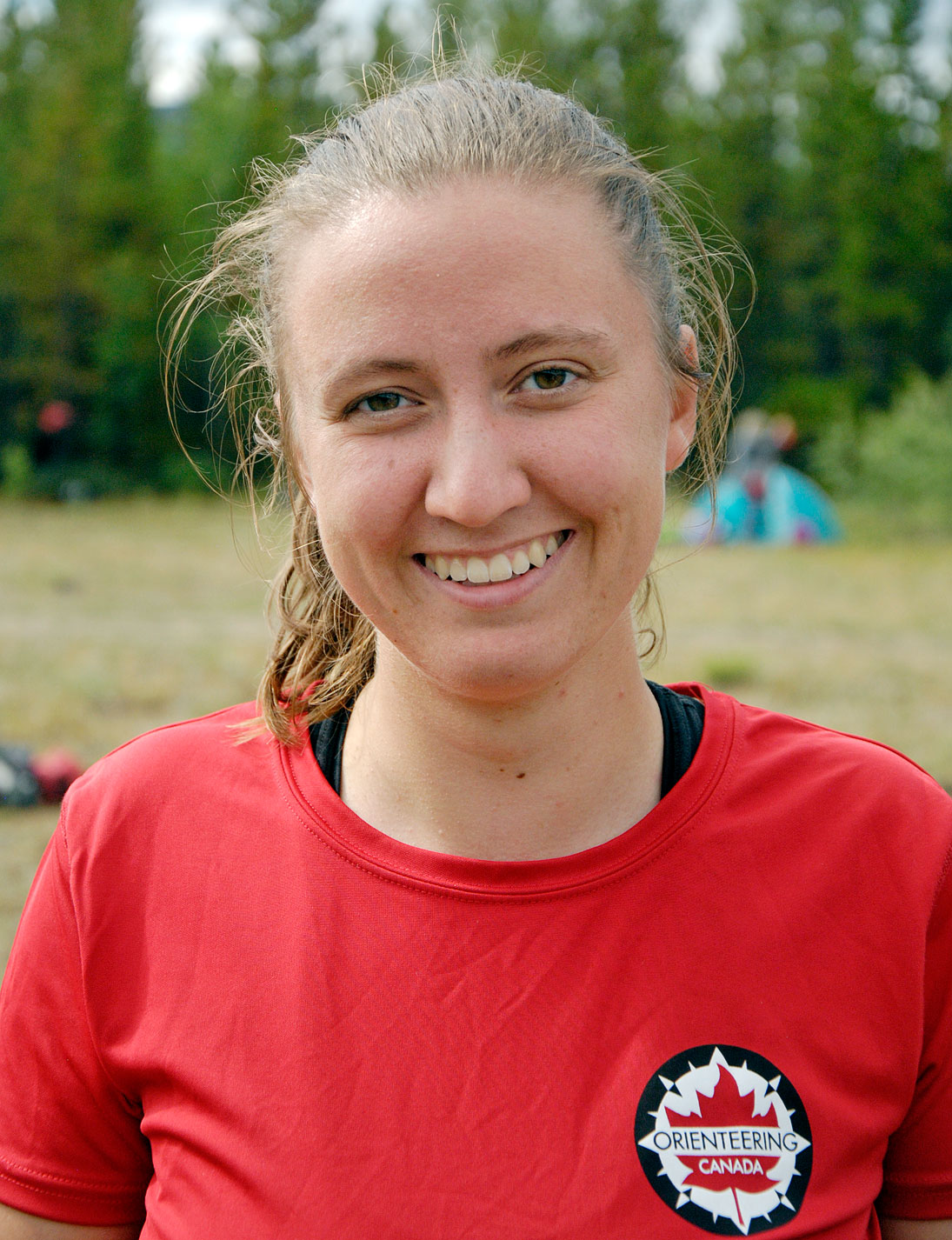
Photo by Vince Fedoroff
Pia Blake
Photo by Vince Fedoroff
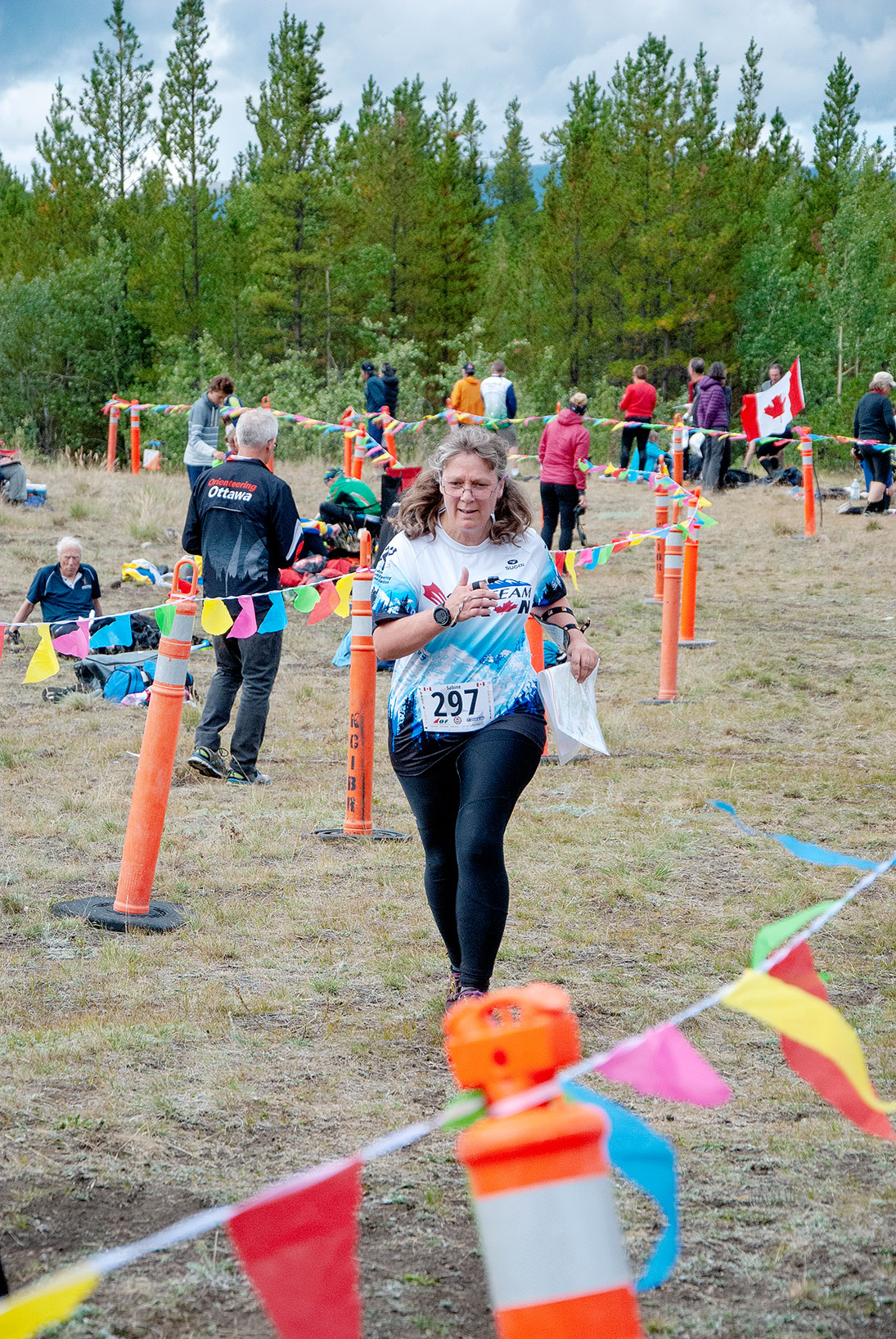
Photo by Vince Fedoroff
A foot injury kept Whitehorse orienteerer Pia Blake from competing in Thursday’s long distance event of the Canadian Orienteering Championships.
A foot injury kept Whitehorse orienteerer Pia Blake from competing in Thursday’s long distance event of the Canadian Orienteering Championships.
She did compete in the long, middle distance and relay events as part of the North American championships that began here late last week and wrapped up Tuesday with the sprint event out at the Carcross Desert.
And she fared well.
Even yesterday out at the Chadburn Lake course, Blake gave it a whirl but her foot said no so she was able to walk six kilometres instead of run the 10 kilometre long event.
She was uncertain about competing in today’s middle distance race, the last of six championships races over the past week. But she was still upbeat, still smiling, surrounded by orienteerers from around Canada, North America and the world.
It could have been a UN convention.
It’s the love of the sport and the challenge of keeping your focus while navigating through the woods with a map and compass and taxing your physical endurance at the same time.
By North American standards, having 530 athletes registered for the North American and Canadian championships being hosted here is a big event, says Blake.
By European standards, she explains, not so much.
The 22-year-old geology student says Sweden has an event that draws in 25,000 competitors. In Finland, they have a relay race where they have 1,700 teams with seven on each team. They start in the dark.
A mass start of 1,700 athletes in the dark is something else to see, she suggests.
“It’s been amazing to see everybody and show off our terrain that we have here,” says Blake, who attended the World University Orienteering Championships earlier this summer in Finland. “It’s really cool having this big orienteering event.”
Standing nearby is Whitehorse orienteerer Gerry Willomitzer, his elder parents on their annual visit from Germany and his four-year-old son Leo. Leo has an SI timing stick taped to his thumb, just like all the big people in the field at the finish line.
Blake strikes up a conversation in German with Willomitzer’s dad Dietmar. Her family spent a year in Berlin when she was growing up, and she’s retained the language for the most part.
Willomitzer – of Yukon Quest and Iditarod sled dog fame – began orienteering with his family when he was a young boy growing up in Germany but gave it up when he was 16. Now 49, he’s been back at it for the past five years.
“I like took a 30-year break,” he jokes. “The local club is really active so it is hard to stay away. Regular running is boring, but this is interesting.”
Willomitzer said his 80-year-old dad told him watching the championships would have him aching to get back at it.
They call orienteering a sport for life. There are age classes in these championships all the way to 90-plus for men and 85-plus for women.
Whitehorse orienteerer Nesta Leduc has won a few of the races among the three women registered in the 85-plus class.
But there’s also the elite class for orienteerers between 21 and 35, athletes who are in their prime, like Blake and Adam Woods who’s here from the Greater Vancouver Orienteering Club.
Woods finished yesterday’s long course of the Canadian championships with a bronze.
Not long after catching his breath, he explains how an error in mapping likely cost him second place.
Woods thought he was at one control point but was actually at a different one, so he had to take the additional time to re-orient himself.
“I was pretty happy with my race right up until the last little leg here,” says the 24-year-old. “You get a little bit mentally fatigued at the end.
“The fatigue, not staying as focused at the end. You know what you need to do but you start skipping steps, and that gets you into trouble.”
While the long race was officially marked as a 12.8-kilometre event, Woods points out that distance is measured as a straight line between each of the many control points runners must reach. Reviewing the GPS device strapped to his wrist like a watch, he says the actual distance he ran through the bush was closer to 17 kilometres. He was on the course for just over an hour and 51 minutes.
He’s exhausted but he’s happy.
Woods likes the challenge of the local terrain, and he’s been to two previous orienteering events in and around Whitehorse.
Blake likes that orienteering is a sport for life.
“I really hope I can be as active as long as the folks that you see here who are out orienteering into their 80s and 90s, and enjoying the woods.”
In order to encourage thoughtful and responsible discussion, website comments will not be visible until a moderator approves them. Please add comments judiciously and refrain from maligning any individual or institution. Read about our user comment and privacy policies.
Your name and email address are required before your comment is posted. Otherwise, your comment will not be posted.
Comments (3)
Up 3 Down 2
Charlotte MacNaughton on Aug 26, 2018 at 8:05 am
Thanks to the Whitehorse Star for the great coverage.
Up 4 Down 1
Jim Webster on Aug 26, 2018 at 7:42 am
Thanks Whitehorse and the Yukon for a great week of orienteering and catching up with friends. You set a new standard for organization. Running 6 days of races, with 500 plus competitors and no complaints..awesome.
Up 6 Down 1
Gord Hunter on Aug 26, 2018 at 12:36 am
I am an orienteer (not orienteerer) who also enjoyed the North American and Canadian Orienteering Championships in the Whitehorse area and Carcross over the past week and a bit. I was in the Men's 65+ category. Why do we older folks keep coming back? 1) Because we can. The sport welcomes us. 2) Because the sport offers us the unique blend of problem solving (by picking our route off a map and then doing it) and fitness challenge.
Then when the event is in a place as beautiful with terrain and people to match as Whitehorse has who could stay away?
My hope? That Canada someday has a chance to host a major world orienteering event such as the World Masters Orienteering Championships (3,000 + participants) and that Whitehorse, YT will try to be the host venue.