Yukon Energy explores raising lake levels
Yukon Energy is officially beginning a research project to measure how much more power can be squeezed out of Marsh Lake and Atlin Lake while maintaining acceptable environmental impacts.
By Chuck Tobin on January 29, 2010
Yukon Energy is officially beginning a research project to measure how much more power can be squeezed out of Marsh Lake and Atlin Lake while maintaining acceptable environmental impacts.
Representatives of Yukon Energy, including president David Morrison, hosted a public meeting at Marsh Lake Thursday night to explain what the publicly owned corporation has in mind.
Morrison and company met Wednesday in Atlin with the Taku River Tlingit First Nation, and with community members in general on Jan. 12.
Yukon Energy spokeswoman Janet Patterson said today residents of both Marsh Lake and Atlin have agreed to at least explore the proposal of raising lake levels to increase storage and hydro capacity during the high winter demand.
"The message we came away with was ‘Yes, go ahead and do some research and get some information, because that can only be a good thing,'” she said. "‘And when you have some hard data, come back and talk to us.'”
Patterson said Yukon Energy has budgeted $1.1 million this year to begin research into Marsh Lake and another $1 million for Atlin Lake.
By raising the lake levels in late summer and fall, Yukon Energy can store enough water to increase hydro capacity at the Whitehorse Rapids Dam by somewhere around 10 per cent, the corporation maintains.
Patterson said the additional capacity would not likely eliminate the need to burn diesel generators when wintertime demand peaks, particularly during cold snaps. The greater hydro capacity, however, would eat away a good chunk of that dependency on diesel, she said.
To meet peak demand during the month of December, Yukon Energy used 189 hours of diesel generation, consuming 117,150 litres of fuel, according to Yukon Energy records.
So far this month, the diesels have run for a total of 59 hours, burning up 37,186 litres.
Yukon Energy is proposing to raise the level of Marsh Lake by 30 centimetres (12 inches) during non-flood years. While the increase is outside the existing operating range set out in its water licence, the corporation said the new ceiling is still 30 centimetres below the natural high water level.
The Marsh Lake proposal was identified as an energy option in Yukon Energy's 20-year Resource Plan released in 2006.
Marsh Lake residents, already concerned about high water and the impact on wells, flatly rejected any notion of increasing the lake level artificially.
Yukon Energy shelved the proposal that year. But when the Yukon Utilities Board issued its decision accepting the 20-year Resource Plan, it recommended that even though Yukon Energy had shelved the project, the publicly owned utility keep it on the books and pursue it at a later date.
"That's what we are doing,” Patterson said.
Jo-Anne Smith, a spokeswoman for the Marsh Lake Local Advisory Council, said this morning that while area residents were not even interested in entertaining the idea in 2006, they're at least ready now to see what Yukon Energy comes up with.
Smith said the 35 to 40 area residents who attended last night's meeting emphasized they want all areas of the lake to be studied, and not just the low-lying areas like Army Beach, which are particularly affected by high water.
"And then come back to us with the different options on what they plan to do and then we'll tell them if we agree or disagree with it,” Smith said. "Last night, (residents) said ‘Yes, give us some information so we can make a rational judgment on it.'”
Patterson said it's expected to take two years of research to complete the required studies.
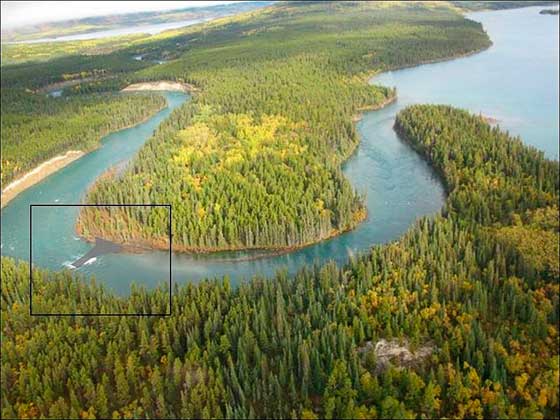
There are no estimated fluctuation parameters for the Atlin Lake proposal. Yukon Energy is proposing to put a submerged weir on the Atlin River, which flows into Graham Inlet and then Taku Arm. Records indicate 40 per cent of the water which flows through the Whitehorse Rapids Dam originates in Atlin Lake.
Yukon Energy is suggesting the weir could hold back the water, without interfering with boat use and access to the river.
Minutes from the Jan. 12 meeting in the community of 400-plus indicate most residents were willing to wait and see the results of Yukon Energy's research before passing judgment.
One resident, however, told Morrison and company to just leave the lake alone.
It was also pointed out at the meeting that Premier Dennis Fentie has written B.C. Premier Gordon Campbell out of courtesy to let him know the Yukon is exploring energy alternatives in northern B.C.
Any use of B.C. water would require a B.C. water licence, it was noted.
Be the first to comment