Photo by Whitehorse Star
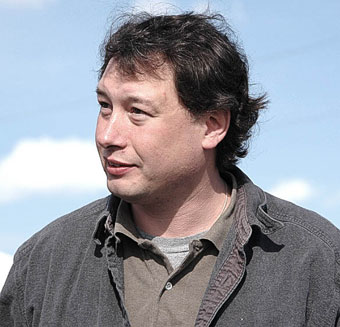
Environment Yukon biologist Tom Jung
Photo by Whitehorse Star
Environment Yukon biologist Tom Jung
Environment Yukon biologist Tom Jung says an updated map to show the general location of wood bison is meant to assist hunters and hopefully strengthen their success.
Environment Yukon biologist Tom Jung says an updated map to show the general location of wood bison is meant to assist hunters and hopefully strengthen their success.
The map, released Friday online, is not specific but shows the areas where bison can be found in early winter based on previous winter patterns and a verification flight last week to locate bison fitted with radio collars, Jung said.
He said the information is not detailed enough to remove the principle of fair chase, but does provide the general area to hunters who may be interested in getting out during the holiday season.
The Yukon's new bison management plan adopted last summer calls for a reduction of the herd from an estimated 1,250 animals to under 1,000.
Harvest levels in the last 13 years since the bison hunt began have been unable to keep the herd from growing.
Jung said a target harvest of 150 animals a year will essentially balance mortality with the number of newborn calves that survive every year.
Last year, 139 bison were taken, or slightly less than the desired target.
This year, however, the harvest is a well ahead of other years, with 50 animals already taken, compared to 30 at this time last year, Jung said.
He said while the target is a minimum of 150 animals, the total allowable harvest has been set at 300.
"We usually put out a map at the beginning of every season but we are putting out another one because we are trying to respond to the need to reduce the herd,” said the senior biologist.
"We are putting it out there because we anticipate if the weather warms up, there may be some people out there that want to go bison hunting on the holidays.
"So we just want to give them a better chance to find bison, so they are not wasting time as much, basically.”
The wood bison were introduced into the Yukon from Alberta in the late 1980s and early 1990s.
It was part of the national effort to assist the species, which is listed as threatened internationally.
As the herd grew, the original management plan called for a population ceiling of 500.
For the first few years, the harvest limit was 50 animals available through a permit that attracted up to 800 applicants at one point.
But as the herd continued to grow, with very little or no pressure from wolves or other natural predators, hunting guidelines were relaxed.
Today, the season is longer and all licensed hunters are eligible.
The first half of the season winter season opened Nov. 1 and will end Dec. 31. The second half will open again Feb. 15 and end March 31.
The mid-winter break is meant to give not only the bison but the caribou and moose and all the animals a time-out from heavy traffic when they need to conserve energy the most.
Jung said Environment Yukon will be updating the bison map prior to the Feb. 15 opening of the second half of the winter season.
Concern has been raised about the impact the rising number of bison are having on the caribou and moose and their habitat, along with the increasing danger of highway collisions.
In order to encourage thoughtful and responsible discussion, website comments will not be visible until a moderator approves them. Please add comments judiciously and refrain from maligning any individual or institution. Read about our user comment and privacy policies.
Your name and email address are required before your comment is posted. Otherwise, your comment will not be posted.
Be the first to comment