Government loosens bison hunt rules
Bison hunters have been given a longer season and more space to get their kill this year.
By Stephanie Waddell on August 14, 2009
Bison hunters have been given a longer season and more space to get their kill this year.
The Yukon government announced the changes to the bison hunting rules at a briefing Thursday afternoon.
The new season will see a fall hunt from Sept. 1 to Nov. 30 along the Alaska Highway to the Slims River, the Aishihik Road and the North Klondike Highway to Braeburn.
The traditional season will be in effect from Dec. 1 to March 31 with the exception of the closed area in the southwest.
"There's a couple of reasons," explained Tom Jung, who sits on the wood bison technical committee which makes the regulation recommendations.
The main reason is we're trying to provide more opportunities for hunters who take more bison because we'd like to bring the size of the herd down or at minimum at least stabilize the size of the herd."
At last count in 2007, the herd was at 1,100, compared to the 500 officials want to keep the herd to.
"There is some concern about so many animals being out on the land," he continued.
"Because we haven't had wood bison out there for too long, only about 20 years, we're really not too sure what the impact may be on other species like caribou or moose, so until some of those things are addressed, the wish has been to keep the number of bison to about 500."
Increasing the hunting opportunities will hopefully bring the numbers down, he said.
It's also hoped that by allowing a hunt close to highways, the number of bison near the roads will also diminish.
The highway hunt is on a limited trial basis. As Jung pointed out, there were some concerns around the number of trails that could be made by hunters with ATVs in the areas along the highway.
"We do encourage people that are hunting bison in the fall to limit the trails they make," Jung said.
As the evenings come earlier, there have been a number of concerns expressed by drivers about the animals in the roadways. The hunt is aimed at discouraging bison from the highway.
"They're big, they're dark and they're difficult to see," Jung said, noting it's in the animals' nature to live in disturbed, cleared areas.
"When we create these big, highway verges, these big shoulders like on the Alaska Highway to Haines Junction, it's perfect bison habitat. It has the type of food they like in it; they do like those open, grassy areas and, as we see around Liard Hot Springs, once they get accustomed to it, if they're not strongly discouraged to leave, they may spend most of their life on that highway verge."
There's a set of rules and regulations around hunting on the highway, Jung said.
While the annual allowable harvest for this year will be 300, Jung said the target is to have at least 170 bison harvested to help stabilize the herd. Last year, 150 were harvested.
Bison in the territory don't have a lot of predators, with the exception of isolated incidents involving wolves.
"They are the largest animal out there," Jung pointed out.
It's also not always an easy hunt for people either, given that the animal spooks easily and will travel long distances once disturbed.
"They're travellers; they're always on the move," he said.
The department is also hopeful hunters will take advantage of the new fall season, though Jung acknowledged the popularity of February and March for bison hunting, when days are starting to get longer and areas are accessible by snowmachine.
"There are some advantages to hunting in the fall," he said, noting the lower number of hunters that could be out looking for a bison.
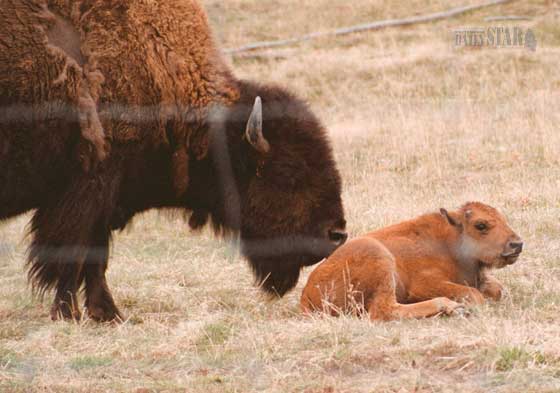
Jung is also asking fall hunters to pay attention to the animal they are shooting and keep an eye out for any calves nearby to prevent orphaning.
Though officials had considered restricting it to a bull hunt for the fall, hunters expressed concern over the difficulty in seeing the difference between a cow and a bull.
Bison seals will be $50, except for first nation applicants who are not required to pay any fees, and hunters are limited to one bison.
The lower jawbone must be submitted to an Environment Yukon office no later than 15 days after the end of the month when the bison was killed.
Be the first to comment