Photo by Whitehorse Star
George Maratos
Photo by Whitehorse Star
George Maratos
This year's wildfire season is not quite over yet but is already shaping up to be an above-average fire season for the territory.
This year's wildfire season is not quite over yet but is already shaping up to be an above-average fire season for the territory.
The number of wildfires so far this year has already nearly doubled the number of blazes reported all of last season.
A small, human-caused fire on an island near Marsh Lake on Monday became the 100th fire of the season so far.
Last year, only 53 fires were reported.
The most recent blaze was started after a weekend bonfire was not properly extinguished.
"Fortunately, quick work by our crew on the ground and from the air by helicopter prevented this fire from spreading, but if not for the quick detection and response, it could have been a much more serious incident,” Jim Kathrein, the Southern Lakes duty officer for Yukon Wildland Fire Management, said today.
The latest blaze is known as a "spot fire” because it burned less than a hectare of land.
So far this year, nearly 76,000 hectares of land have been burned.
In 2010, when 86 wildfires were reported, about 156,000 hectares of land were damaged.
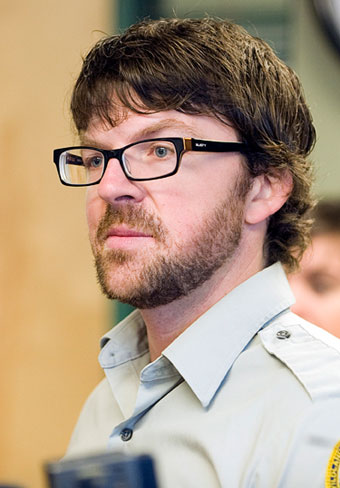
"The number of fires only tell half the story,” fire information officer George Maratos said today. "You also have to look at the amount of land covered.”
Last year's numbers were below average, Maratos recalled.
"Last year we started with a really hot May, and then things sort of petered out as the summer continued.”
According to the Canadian Interagency Forest Fire Centre, the Yukon has averaged 66 wildfires a year over the last five years.
The 10-year average is 85 fires a year, and the 15-year average is 87 fires.
In terms of hectares burned, the territory's five-year average is approximately 69,000 hectares.
The 10-year average is about 201,000 hectares, while the 15-year average is about 161,000 hectares.
"This summer has been a bit of everything,” Maratos said. "It seems like when we have warm spells, things are drying up pretty quickly.”
One quarter of the fires so far this year have happened in the Mayo region, where about 23,000 hectares of land have burned.
Twenty-three fires have started in the Dawson City area, burning about 19,000 hectares.
Of the 100 fires this year, 81 were blamed on lightning while the remaining 19 were human-caused.
Most of the firefighters hired for the wildfire season are contracted until mid-August.
A small group of firefighters will remain if fires pop up after that.
Meanwhile, cooler temperatures and more precipitation has lowered the fire danger rating in much of the territory.
It has also reduced fire behaviour on a number of blazes already burning, including the six new incidents reported over the weekend.
If you see a wildfire, please report it immediately to 1-888-798-FIRE (3473).
By ASHLEY JOANNOU
Star Reporter
In order to encourage thoughtful and responsible discussion, website comments will not be visible until a moderator approves them. Please add comments judiciously and refrain from maligning any individual or institution. Read about our user comment and privacy policies.
Your name and email address are required before your comment is posted. Otherwise, your comment will not be posted.
Be the first to comment