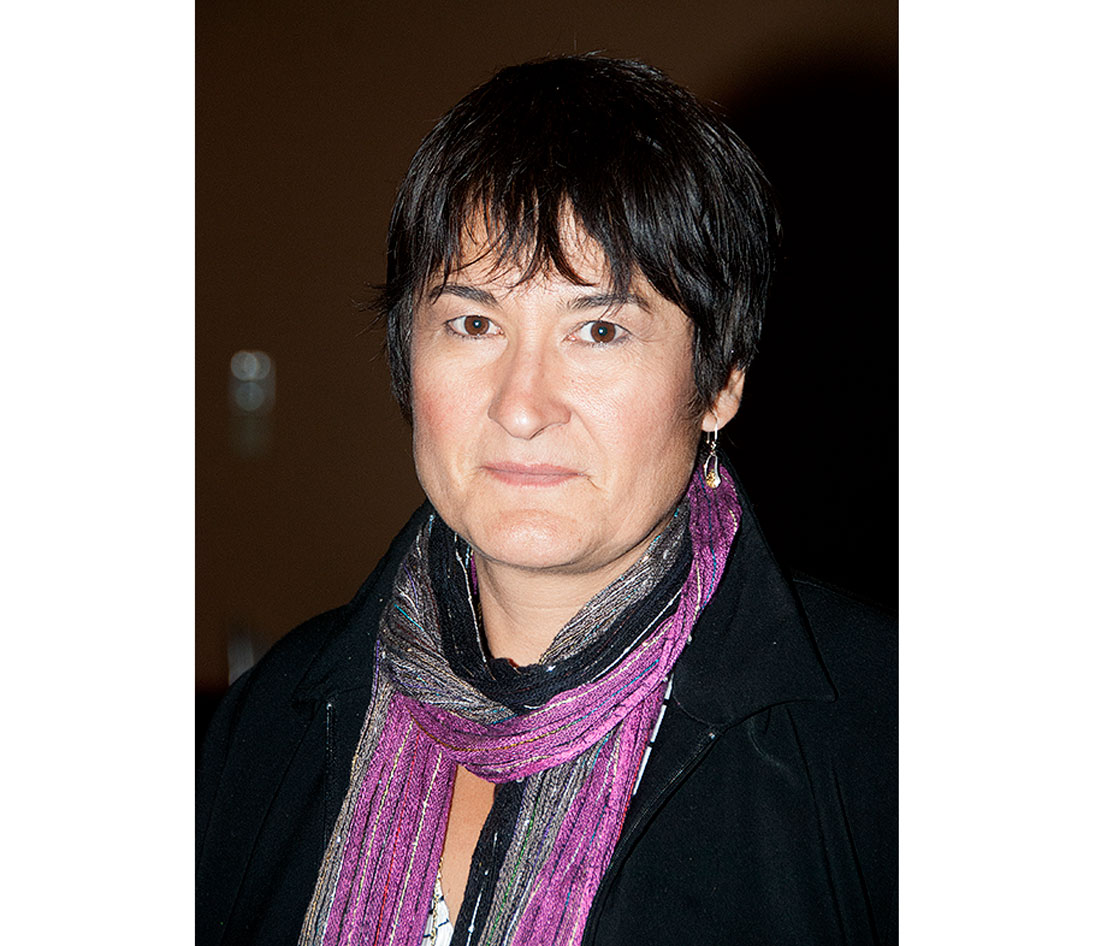
Photo by Whitehorse Star
Pauline Frost
Photo by Whitehorse Star
Pauline Frost
As the Yukon River chinook salmon run begins to show up in numbers at the international border below Dawson City, the last of the kings are passing by the sonar near the mouth.
As the Yukon River chinook salmon run begins to show up in numbers at the international border below Dawson City, the last of the kings are passing by the sonar near the mouth.
Alaskan biologist Holly Carroll said last Thursday the run was estimated at 96 per cent complete heading into the weekend, as the first significant pulse in the annual migration was expected to reach the international border below Dawson City on Saturday.
Biologists on both sides of the border generally apply the rule of thumb in their preseason planning that 50 per cent of the chinook entering the river each summer will be of Yukon origin and 50 per cent Alaskan.
As of midnight, the Pilot Station sonar near the mouth put the total count at 168,908. The count at the Eagle, Alaska, sonar near the border was 8,298.
But it’s too early to update the estimate of how many chinook will pass by the sonar on the mainstem of the river at Eagle, Alaska, because of different variables, Carroll explained.
While conservation was foremost again this year, she said, there was a limited harvest provided for the state’s subsistence food fishery.
Genetic sampling of the first large pulse of chinook entering the river showed 52 per cent were of Yukon origin, she pointed out.
Carroll said sampling of the second and third pulses, on the other hand, showed 34 per cent were of Yukon origin.
Officials in the Yukon have indicated the daily count of chinook passing by the Eagle sonar will be the focal point for this year’s management of the aboriginal food fishery.
Because of the troubled state of the chinook stock, there’s has been no sport or commercial fishery on the Yukon side for a number of years now, and there’s not expected to be this summer.
Attempts to help the chinook rebuild have been ramping up on both sides of the border for several years.
First Nations are concerned that by not fishing or fishing very little, they’re losing their cultural ties to the chinook that have been forged over thousands of years.
Instead of the hustle and bustle of netting, cleaning and hanging fish to dry, fish camps are quiet, even getting overgrown.
Pauline Frost, chair of the Yukon Salmon Sub-Committee, explained in a recent interview conservation will be the priority again this season.
First Nations, however, are wanting to ensure that if the run is strong enough to support greater fishing opportunities, like it was last year, they want to be in a position to respond, she said.
Frost said counts at the Eagle sonar will be central to the fishing strategy.
It’s estimated that 83,674 crossed the border last year, the third-highest border estimate in recent memory, but the aboriginal food fishery harvested just 1,000 chinook, the third-lowest harvest in more than half a century, according to official records.
The preseason estimate for this summer puts the total border passage at somewhere between 65,000 and 88,000.
Mary Ellen Jarvis of the Department of Fisheries and Oceans (DFO) said this morning it’s too early in the run past the Eagle sonar to make any assessment regarding what the total return to the border will look like.
They need to see 25 to 30 per cent go by Eagle before they could get a handle on what’s coming behind, she said.
DFO’s management strategy this year calls for no fishing whatsoever, with a border escapement of 42,500.
A limited First Nation fishery will be allowed with a count of 42,500 to 48,750, and a moderate aboriginal fishery with a border count of 48,750 to 55,000.
All fisheries – aboriginal, commercial and sport – will get the green light with a border escapement of more than 55,000, though harvest opportunities will still be tied to abundance, according to DFO’s management strategy.
The Yukon River chinook stocks have been in trouble for several years, and scientists acknowledge they don’t know exactly why, though they suspect changing environmental conditions are having a large influence.
The annual harvest of chinook on both sides of the border used to routinely exceed 150,000 chinook, and would even approach 200,000, with the lion’s share harvested in Alaska.
The total harvest last year was 7,640 – 1,000 for the Yukon’s aboriginal fishery and 6,640 for Alaska’s subsistence fishery.
In order to encourage thoughtful and responsible discussion, website comments will not be visible until a moderator approves them. Please add comments judiciously and refrain from maligning any individual or institution. Read about our user comment and privacy policies.
Your name and email address are required before your comment is posted. Otherwise, your comment will not be posted.
Comments (1)
Up 7 Down 0
Dianne Villeseche on Jul 13, 2016 at 2:56 pm
Gee, maybe the Alaskans can stop fishing them…???!!!! It's hard to watch that stupid reality show called "Yukon Men" where they are trying to get up to 1200 fish each for their dogs for the winter! I remember hearing one guy on that show say… "we've got to get as many fish as we can before they get to Canada" smh