Caribou numbers have escalated to 169,000
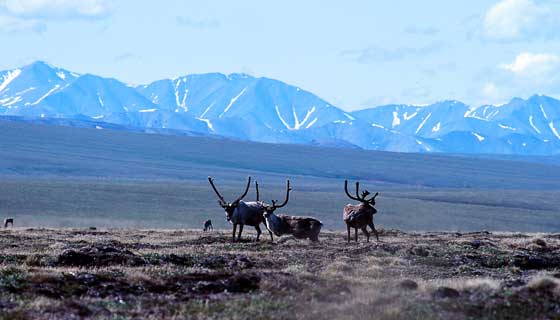
The final count of the Porcupine caribou herd has come in at 169,000, significantly above what many experts had feared.
By Chuck Tobin on March 2, 2011
The final count of the Porcupine caribou herd has come in at 169,000, significantly above what many experts had feared.
Alaska released the tally this morning.
It's based on last summer's aerial census, the first successful count since 2001, when the barren land herd was in decline, at 123,000 animals.
There was a growing fear in recent years that the population had continued falling over the last decade.
So much so, the Yukon government implemented emergency harvest measures in 2009 which applied even to aboriginal subsistence hunters.
The Supreme Court of Canada has said restrictions on aboriginal hunters can only be applied where there is a demonstrated need for conservation.
"There's no doubt the herd has grown since 2001,” Jason Caikoski, a State of Alaska biologist, said in a statement. "People on both sides of the Alaska-Canada border are pleased.”
The herd's population peaked most recently in 1989, when the estimate was put at 178,000 caribou.
Records indicate the last time it was at or near the current count of 169,000 was just a couple of years after the peak in 1989.
Since 2001, poor weather or changes in migration patterns have prevented a comprehensive aerial survey of the herd.
Last July, as the caribou were gathered on the Yukon-Alaska North Slope along the Beaufort Sea shortly after calving, conditions were right.
"Caribou were aggregated well, and most of the aerial photos are good quality,” said Caikoski.
"We accounted for all of the active radio collars in the herd, which means we likely didn't miss many caribou during the survey.”
Such was the concern over the status of the herd in recent years that government officials from the Yukon and Northwest Territories and community members began developing the Porcupine Caribou Harvest Management Plan.
That management blueprint calls for a variety of harvest restrictions once the population falls below 115,000 animals.
A 2009 Yukon government report recommending a precautionary approach to harvest management put the herd at 100,000 members or fewer.
Records estimate the largest annual harvest of Porcupine caribou was 6,000 one year, though a it was believes 4,000 was closer to an annual average, and lower in recent years.
Approximately 65 per cent are taken by hunters from the N.W.T., with 20 per cent harvested by Yukoners, and 15 per cent by Alaskans.
Comments (5)
Up 0 Down 0
Peter Mackey on Mar 3, 2011 at 2:23 pm
Hey bedrock Billy. I guess that cancels out all the losers from fort macphearson who willfully waste meat and take more than they actually need. Hey it's their right eh? I thought natives respect wildlife? That couldn't be further from the truth. Yes some do, but a bigger percentage do not. And then hide behind their status. Sure white people do the same, but they don't have a "right" given to them by the government. Living off the land dosen"t mean making weekly trips to your local walmart.
Up 0 Down 0
Mike Kohler on Mar 3, 2011 at 2:04 am
This story shows the typical overreaction of the enviro-mentalists and those beholden to them in the government. Restrict and punish the folks first - then research and find out there was no cause for the hype in the first place. Be it the Peel watershed, ATV/snowmobile issue, predator control and so on. They will never admit they were foolishly wrong.
So go ahead and plan recounts a hundred times for the next ten years if you think Americans don't know how to count. The caribou and everything in nature will do just fine without the scient(olog)ists researching them to death.
Up 0 Down 0
oicu812 on Mar 2, 2011 at 9:35 am
sure looks like n.w.t hunters put a big dent in the hunt. whats there ratio of people to feed and animals harvested?
Up 0 Down 0
bedrock billy on Mar 2, 2011 at 9:13 am
Good! Now lets get the oil out. Also, maybe its time to farm and harvest some of those Caribou too feed some of the starving people in the world.
Up 0 Down 0
Max Mack on Mar 2, 2011 at 8:23 am
With all due respect to the Alaskan biologists, I strongly suggest that Canadian scientists conduct their own counts or re-assess the Americans' work by independently examining the photographic and other evidence.